Vape Culture: Exploring the Rise of Vaping in Today's Society
Vape culture has emerged as a prominent phenomenon within younger generations, fueled by the pursuit of healthier choices and a wide range of flavor varieties. Social media accelerates this movement, depicting vaping as a widely embraced option. Yet, the health concerns surrounding vaping remain debated, prompting serious questions regarding its safety. As vape retailers develop into neighborhood meeting points, the nature of this culture keeps evolving. What does the future hold for this expanding trend?
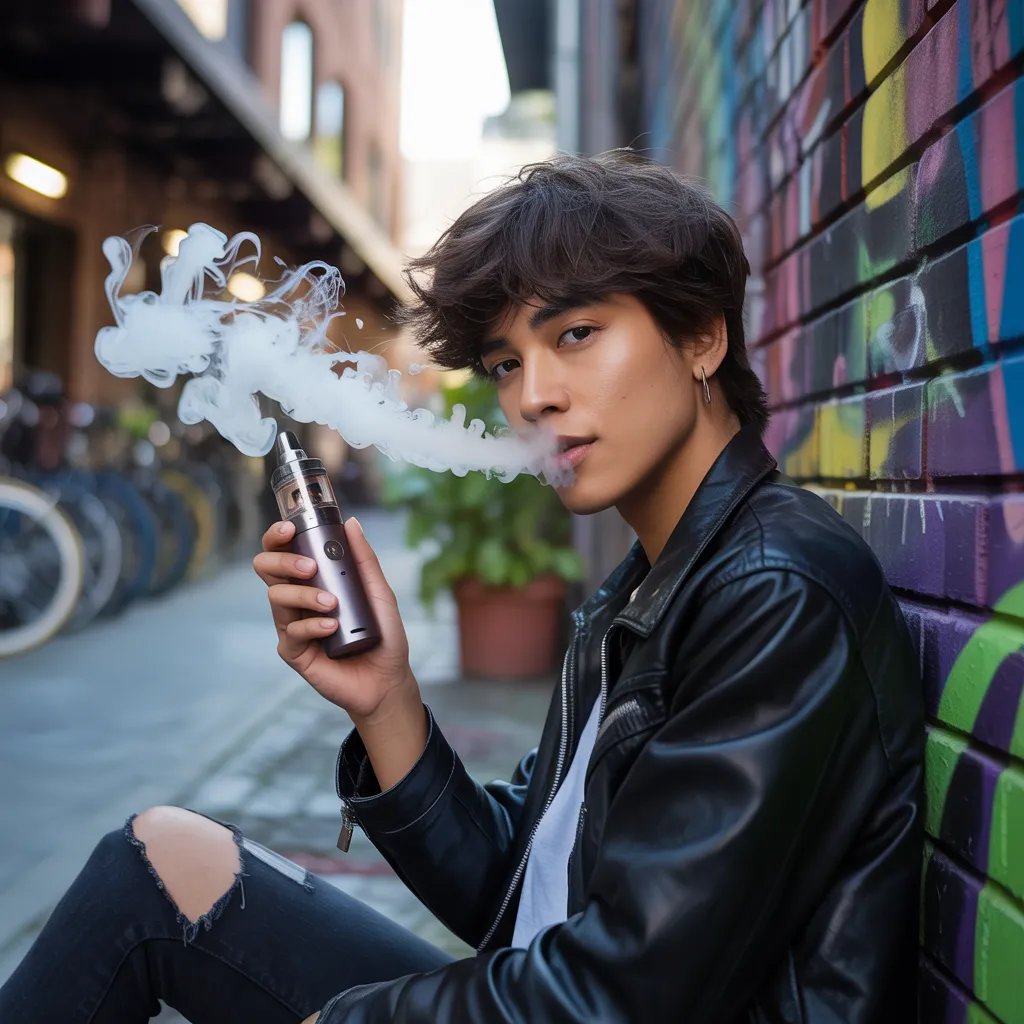
Why Are People Switching to Vaping?
As knowledge of the health hazards connected to traditional cigarette use expands, a growing number of people are turning to vaping as an apparently less harmful substitute. This change is motivated by a variety of influences, such as the attractiveness of diverse flavors and adjustable features that vaping products offer. Many users appreciate the varied flavors, which range from fruity to dessert-inspired, making the experience more enjoyable compared to conventional tobacco. Moreover, vaping is commonly perceived as a more socially embraced habit, particularly within younger populations. The advanced technology incorporated into vaping devices further provides a measure of control over nicotine use, drawing in those who wish to decrease their consumption over time. Beyond that, the notion that vaping is less bothersome and leaves behind fewer persistent odors compared to smoking plays a role in its increasing prominence. review article As a result, a diverse range of individuals, from former smokers to those new to nicotine, are increasingly making the switch to vaping.
Can Vaping Be Considered Safe? The Health Controversy?
When comparing the safety of vaping to traditional smoking, what do we find? This inquiry has ignited substantial controversy among healthcare specialists and the general population. While vaping is often marketed as a safer alternative to smoking, the reality is more complex. Electronic cigarettes generally have fewer harmful compounds than conventional cigarettes, which may potentially lower certain health hazards. Despite this, vaping remains a source of hazardous compounds entering the body, among them nicotine, which carries risks of addiction and potential cardiovascular concerns.
Emerging research has raised concerns about the prolonged consequences of inhaling aerosolized substances, particularly since a large number of e-liquid ingredients lack sufficient research. Additionally, cases of vaping-related lung injuries have come to light, compounding the existing concerns about its safety. Ultimately, while vaping could pose less danger than cigarette smoking, it is not devoid of potential hazards, warranting careful consideration from users and policymakers alike.
Who's Participating in the Vaping Trend?
Who is drawn to the vaping trend? A broad spectrum of individuals is drawn to vaping, across different age groups and lifestyles. People in their youth, notably those ranging from their late teens to early twenties, commonly explore options beyond traditional tobacco products, considering vaping a contemporary lifestyle decision. A significant number are influenced by the belief that vaping poses fewer health risks and delivers a tailored experience through an array of flavors and nicotine options.
Additionally, previous smokers moving toward vaping represent a significant demographic. Many consider it a method to decrease nicotine use while still partaking in the act of inhaling. Curiosity further motivates certain people, as the communal nature of vaping draws in those seeking to bond with others or discover new experiences. The ease of access to vaping, paired with its perceived freshness, keeps attracting a wide range of individuals to the vaping community.
How Social Media Shapes Vape Culture
What role does social media play in shaping vape culture? Social media channels have emerged as key drivers in popularizing and normalizing vaping across diverse audiences. By sharing visually compelling content, influencers present vaping as a lifestyle decision, frequently highlighting its visual appeal and communal dimensions. Vaping-related hashtags and online challenges foster a sense of belonging, motivating users to exchange their experiences and personal preferences. Moreover, social platforms including Instagram and TikTok empower users to generate and spread tutorials, vaping techniques, and product assessments, increasing the prominence of vaping products and brands.
This ongoing engagement creates an environment where vaping is not just a routine but a form of self-expression. The pervasive influence of social media amplifies trends, leading to quick transformations in consumer preferences. Therefore, social media functions as a double-edged sword, both promoting awareness of vaping and possibly romanticizing the practice, particularly among younger audiences.
The Ways Vaping Shapes Lifestyle Choices
Vaping has become a significant factor in shaping contemporary lifestyle choices, affecting everything from everyday social encounters to individual identity. For many, vaping serves as a social lubricant, facilitating connections in both casual and formal settings. The practice of vaping frequently generates a collective experience for participants, strengthening community ties and setting standards for social events.
Moreover, vaping has reimagined personal identity for some individuals, separating them from traditional smokers or non-smokers. The selection of flavors, devices, and brands empowers individuals to display their unique tastes, contributing to a sense of personal identity.
Moreover, health perceptions surrounding vaping have prompted changes in lifestyle; certain users view it as a more health-conscious substitute for cigarettes, while others embed it within fitness-oriented narratives. In the end, vaping influences behaviors connected to social engagement, identity expression, and wellness, highlighting its significant effect on modern lifestyles.
Vape Stores: Gathering Places for Enthusiasts
In the evolving landscape of vaping culture, vape shops have emerged as essential gathering places for enthusiasts. Such venues function as meeting spots where people can bond over their mutual passion for vaping. Beyond merely selling products, vape shops regularly hold special events, such as product tastings and educational workshops, cultivating a sense of community among their customers.
The knowledgeable staff frequently provide valuable insights into the latest devices and e-liquids, enhancing the overall vaping experience. This individualized service strengthens trust and dedication within the community. Moreover, vape shops commonly cultivate friendly environments, encouraging social interactions among customers, which can lead to friendships and support networks.
As the vaping trend continues to grow, these establishments play a crucial role in shaping a culture centered around exploration and education. By focusing on community involvement, vape shops not only enrich individual journeys but also assist in creating a thriving, interconnected vaping community.
Upcoming Trends in Vape Culture
How might vape culture develop as technological advancements and societal views continue to shift? With the progression of vaping technology, developments like smart devices and personalized options are expected to appeal to a broader demographic. Enhanced user interfaces and app integrations may facilitate personalized experiences, allowing consumers to track usage and flavor preferences. Furthermore, the increasing focus on health and well-being may redefine public perceptions, resulting in greater acceptance of vaping as a safer substitute for smoking.
Policy modifications will likewise prove essential as authorities introduce tighter controls, producers could prioritize openness and excellence, encouraging a more ethical marketplace. Community outlooks may progressively transform, with vaping merging more deeply into contemporary lifestyle, much like artisan brewing or premium coffee. Fundamentally, the evolution of vaping will be marked by a fusion of innovative technology, policy supervision, and changing community attitudes, shaping a distinct identity within contemporary society.
Common Questions and Answers
Which Flavors Are Most Favored by Vapers Today?
Fruit flavors, especially mango, watermelon, and berry, dominate the vaping market today. Dessert flavors, like chocolate and vanilla custard, are also widely popular, attracting vapers who seek sweet and indulgent options.
What Is the Typical Monthly Cost of Vaping?
Monthly vaping costs usually range from $30 to $100, based on consumption patterns, device selection, and e-liquid options. Frequent vapers could experience notable differences in spending according to personal preferences and consumption patterns.
What Are the Age Requirements for Buying Vape Products?
Indeed, there are age restrictions for buying vape products. In numerous jurisdictions, individuals must be at least 18 to 21 years old, depending on local laws, to lawfully purchase vaping devices and associated products.
Can Vaping Assist People in Quitting Smoking for Good?
Vaping might support some users in completely giving up smoking by offering a safer substitute. That said, its results differ from person to person, and reliance on vaping can lead to continued nicotine dependence for others.
What Are Common Misconceptions About Vaping?
Common misconceptions about vaping include beliefs that it is completely safe, that it is free of dangerous chemicals, and that it is solely a gateway to smoking. Such misconceptions have the potential to affect views and habits concerning vaping.