Vape Culture: Understanding the Growth of Vaping in Modern Society
Vaping culture has become a significant trend within younger generations, fueled by the pursuit of healthier choices and a wide range of flavor varieties. Social platforms magnify this phenomenon, portraying vaping as a mainstream and accepted lifestyle. Yet, the health concerns surrounding vaping remain debated, prompting serious questions regarding its safety. As vape retailers develop into neighborhood meeting points, the characteristics of this movement remain in constant flux. What lies ahead for this see more growing movement?
What Is Driving People to Switch to Vaping?
As knowledge of the health hazards connected to traditional cigarette use expands, many individuals are opting for vaping as a perceived safer alternative. This change is motivated by a variety of influences, such as the attractiveness of diverse flavors and adjustable features that vaping products offer. A great number of users enjoy the diverse flavor selections, extending from fruit-based to dessert-inspired varieties, enhancing the experience beyond what conventional tobacco provides. Additionally, vaping is often viewed as a more socially acceptable practice, particularly among younger demographics. The technology behind vaping devices also allows for a level of control over nicotine intake, appealing to those looking to reduce consumption gradually. Moreover, the perception that vaping is less intrusive and has fewer lingering odors than smoking contributes to its rising popularity. As a consequence, a broad spectrum of individuals, including both former smokers and those new to nicotine use, are steadily embracing vaping as their preferred choice.
Is Vaping Actually Safe? The Wellness Debate?
When comparing the safety of vaping to traditional smoking, what do we find? This topic has generated significant discussion among medical experts and everyday people. Although vaping is frequently promoted as a healthier option compared to smoking, the truth is far more nuanced. E-cigarettes typically contain fewer toxic substances than traditional cigarettes, which could theoretically reduce some health risks. Despite this, vaping remains a source of hazardous compounds entering the body, among them nicotine, which carries risks of addiction and potential cardiovascular concerns.
Growing research has brought attention to concerns about the prolonged consequences of breathing in vaporized compounds, particularly since many ingredients in e-liquids remain unstudied. Moreover, cases of vaping-related lung injuries have come to light, adding to the uncertainty surrounding its safety. When all is considered, while vaping may be less harmful than conventional smoking, it is not without its dangers, calling for cautious deliberation among users and policymakers.
Who Is Getting Into the Vaping Trend?
Who finds appeal in the vaping phenomenon? A broad spectrum of individuals is drawn to vaping, across different age groups and lifestyles. Young adults, particularly those in their late teens to early twenties, commonly explore options beyond traditional tobacco products, viewing vaping as a modern lifestyle choice. Many are motivated by the perception that vaping is less harmful and delivers a tailored experience through an array of flavors and nicotine options.
Moreover, former smokers shifting to vaping form a substantial group. It is frequently regarded as a way to cut back on nicotine while maintaining the pleasure of inhaling. Curiosity further motivates certain people, as the social aspects of vaping attract those looking to connect with peers or explore new experiences. Vaping's widespread availability, along with its sense of novelty, consistently brings a diverse array of people into the vaping sphere.
How Social Media Shapes Vape Culture
How does social media influence vape culture? Social media channels have emerged as key drivers in popularizing and normalizing vaping across diverse audiences. By sharing visually compelling content, influencers present vaping as a lifestyle decision, frequently highlighting its visual appeal and communal dimensions. Vaping-related hashtags and online challenges foster a sense of belonging, motivating users to exchange their experiences and personal preferences. Furthermore, platforms such as Instagram and TikTok enable users to create and distribute tutorials, vaping tricks, and product evaluations, boosting the exposure of vaping products and brands.
This continuous exchange cultivates an environment where vaping is not just a habit but a form of self-expression. The viral nature of social media magnifies patterns, leading to swift changes in consumer preferences. Therefore, social media serves as a double-edged sword, both increasing visibility of vaping and perhaps embellishing the activity, particularly among a younger generation.
The Ways Vaping Shapes Lifestyle Choices
Vaping has grown into a powerful force shaping current lifestyle trends, affecting everything from everyday social encounters to individual identity. For many, vaping serves as a social lubricant, facilitating connections in both casual and formal settings. The practice of vaping frequently generates a collective experience for participants, strengthening community ties and setting standards for social events.
Moreover, vaping has redefined personal identity for many users, distinguishing them from traditional smokers or non-smokers. The variety of flavors, devices, and brands enables people to showcase their personal preferences, fostering a sense of personal identity.
Moreover, health perceptions surrounding vaping have prompted shifts in daily habits; many individuals consider it a safer alternative to smoking, while others integrate it into fitness and wellness narratives. When all is considered, vaping shapes preferences regarding socializing, self-expression, and health, illustrating its profound impact on today's lifestyle choices.
Vape Shops: Social Centers for Vaping Fans
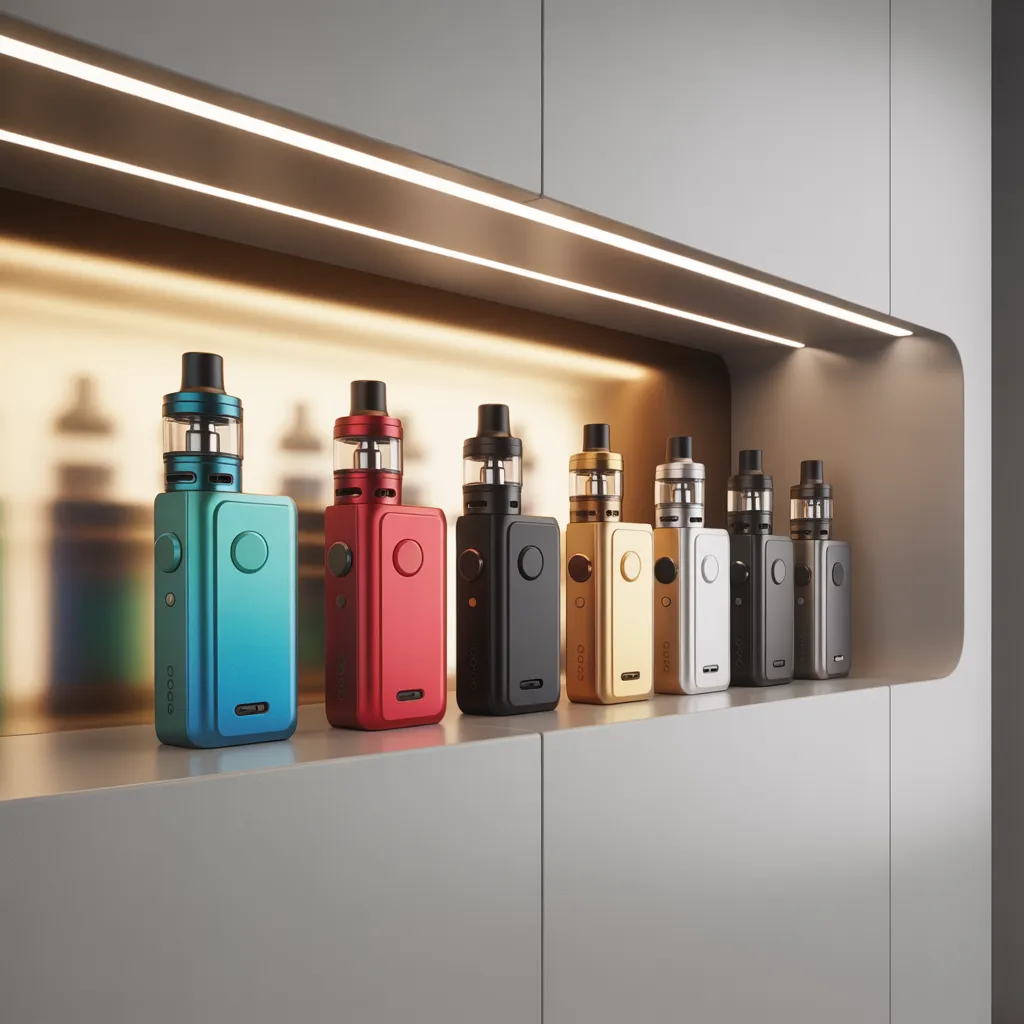
Within the ever-changing world of vaping culture, vape shops have emerged as essential gathering places for vaping enthusiasts. These locations operate as gathering places where customers can bond over their shared interest in vaping. Going beyond simple retail, vape shops frequently organize events, such as tastings and workshops, cultivating a sense of community among patrons.
The well-informed staff regularly offer helpful guidance into the most recent vaping devices and e-liquids, elevating the complete vaping experience. This individualized service strengthens trust and dedication within the community. Additionally, vape shops often create welcoming environments, encouraging social interactions among customers, which often results in strong friendships and supportive networks.
With vaping steadily increasing in popularity, these shops serve a vital role in shaping a culture centered around exploration and education. By prioritizing community engagement, vape shops not only enhance personal experiences but also aid in building a dynamic, interconnected vaping culture.
The Future of Vape Culture
In what ways will vape culture transform as technology and social perspectives change? As advancements in vaping technology continue, innovations including smart devices and tailored options will likely draw in a larger consumer base. Upgraded user interfaces and app connectivity may support individualized experiences, empowering users to track their consumption habits and preferred flavors. Furthermore, the increasing focus on health and well-being may redefine public perceptions, resulting in greater acceptance of vaping as a safer substitute for smoking.
Regulatory developments will further shape the landscape as regulatory bodies enforce stronger guidelines, manufacturers may focus on transparency and quality, cultivating a more conscientious sector. Public perceptions could keep evolving, with vaping gaining wider acceptance in popular culture, similar to craft beer or specialty coffee. In the end, the trajectory of vaping culture will be marked by a fusion of innovative technology, policy supervision, and changing community attitudes, forging a unique presence in modern culture.
Common Questions and Answers
Which Flavors Are Most Favored by Vapers Today?
Fruity flavors, especially berry, mango, and watermelon, lead the vaping market at present. Dessert flavors, such as vanilla custard and rich chocolate, also enjoy popularity, attracting vapers who seek sweet and indulgent options.
What Is the Typical Monthly Cost of Vaping?
Typical monthly vaping expenses generally fall from $30 to $100, varying with usage, device type, and e-liquid choices. Consistent users could experience notable differences in spending depending on individual habits and usage levels.
What Are the Age Requirements for Buying Vape Products?
There are indeed age restrictions for purchasing vape products. In many regions, individuals must be at least 18 to 21 years old, based on local regulations, to lawfully purchase vaping devices and associated products.
Can Vaping Help People Quit Smoking Entirely?
Vaping can help certain people stop smoking altogether by serving as a less damaging option. That said, not everyone experiences the same benefits, and reliance on vaping can lead to continued nicotine dependence for others.
What Are the Most Common Misconceptions About Vaping?
Common misconceptions about vaping include beliefs that it is completely safe, that it lacks any harmful ingredients, and that it serves only as a stepping stone to smoking. These false beliefs may shape attitudes and actions related to vaping.